










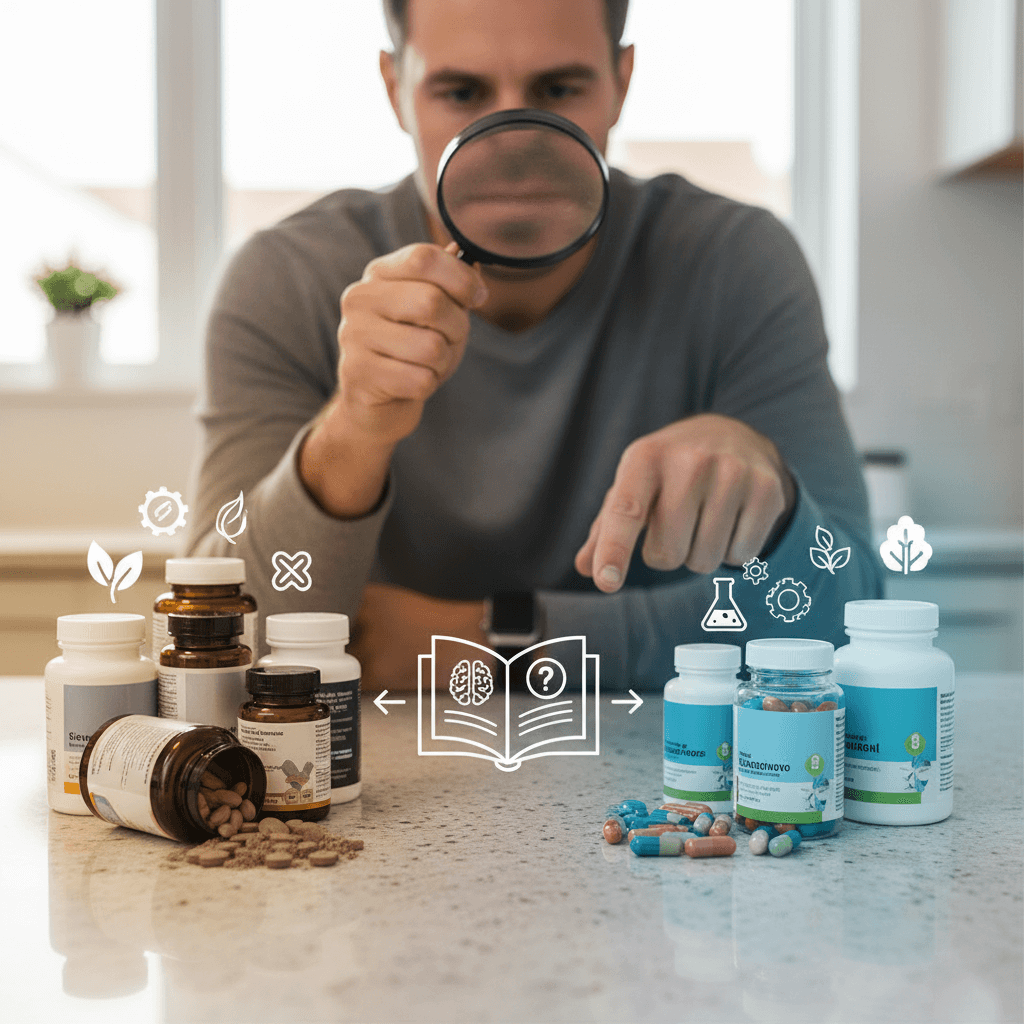
Buying a health supplement can feel like walking through a crowded marketplace with no signposts. Labels promise energy, immunity, joint health, or mental clarity yet too often the claims outpace the evidence. This article gives plain spoken advice that helps you spot poor choices, pick brands that meet basic quality markers, and save money by avoiding products that will not deliver the expected results.
Readers who want to avoid bad supplement buys will learn how to read labels, interpret ingredient lists, check for meaningful testing, and approach endorsements and reviews with a critical eye. Examples and practical tips appear throughout so you can apply them when shopping online or in stores.
How Supplements Are Regulated and Why That Matters
Understanding regulatory basics reduces the chance of being misled. In many countries supplements are regulated differently from prescription drugs. That often means manufacturers can sell products without the same level of safety or efficacy testing required for medicines. As a result, the burden falls on shoppers to evaluate claims and verify quality.
Key takeaways for shoppers include looking for third party testing, finding clear ingredient lists with amounts per serving, and checking whether the label makes disease claims that would normally apply to a drug. Labels that promise to treat or cure medical conditions are a red flag because such claims are typically not permitted for supplements under most regulatory frameworks.
Common Red Flags on Supplement Labels
Some label elements are frequent warning signs. Learn to spot them before you buy.
- Vague proprietary blends where exact amounts of each ingredient are hidden
- Overstated results such as dramatic promises that sound too good to be true
- Missing serving sizes or active amounts which make it impossible to compare products
- Unclear sourcing with no indication of where ingredients were obtained or manufactured
- Multiple high potency ingredients that together may exceed safe intake levels
One practical tip is to put two products side by side and compare active ingredient amounts per serving. If one lists milligrams and the other only lists a blend with no details, choose the transparent product.
Ingredients to Favor and Ingredients to Avoid
Not all ingredients are equal. Some have stronger human trial support while others depend primarily on animal studies or tradition. Favor ingredients supported by human randomized trials for the condition you care about.
Dosage and Standardization
Even effective ingredients will not work if dosed too low. Look for studies that used a specific dose and compare that dose to what the bottle provides. For herbal extracts, standardization to an active marker compound gives more predictability. For example a green tea extract standardized to a percentage of EGCG is easier to assess than an unlabeled extract.
Proprietary Blends and Why They Matter
Proprietary blends hide ingredient breakdowns and often combine multiple actives at low amounts to allow for marketing claims while keeping formulation costs down. If a product relies on a proprietary blend to support a major claim, treat it cautiously. Ask the seller or manufacturer for a breakdown or choose a product with transparent labeling.
Research, Reviews, and Reliable Sources
High quality information comes from peer reviewed studies, official agency advisories, and independent testing labs. User reviews can be helpful but they are also easy to manipulate. Learn to weigh different types of evidence.
Academic studies that test a single ingredient at an exact dose are highly informative. Systematic reviews and meta analyses summarize multiple trials and offer stronger conclusions than an isolated study. Government health agency updates and independent lab testing results add another important layer.
If you want a quick primer on key questions to ask when assessing a product read materials from reputable health publications and organizations and consult licensed health professionals for personal advice. For more detailed considerations on label claims and testing look at this resource that breaks down what to check when buying health supplements explore this topic.
Choosing Quality Brands and Certifications to Watch For
Brand reputation matters but it is not the only measure of quality. Some smaller manufacturers run strict quality control and third party testing while a big name brand may rely on scale but not rigorous checks. Look for independent certification seals that confirm identity and purity.
- Third party testing from organizations that check for contaminants and verify label amounts
- Good manufacturing practice statements that demonstrate compliance with production standards
- Certificates of analysis available on request that show lab test results for a specific batch
Popular seals include those from independent testing laboratories and certification bodies that confirm a product contains what the label indicates and is free from common contaminants. If a company will not provide a certificate of analysis for a batch on request choose a different product.
How to Read Pricing and Value Without Getting Tricked
Price per bottle alone is a poor indicator of value. Calculate price per effective dose instead. Divide the cost by the number of servings and then divide that by the active amount per serving to determine real value. A cheap bottle with underdosed ingredients can be more expensive in the long run because it will not deliver benefit.
Watch for upsell traps where customers are signed up for monthly shipments with difficult cancellation policies. Read the terms before entering billing information. If a deal seems too clever or the checkout hides subscription confirmation, consider it another red flag.
Practical Shopping Habits That Prevent Bad Supplement Buys
Develop a routine to minimize risk when buying supplements online or in stores. Follow these steps each time you are ready to purchase.
- Verify active ingredient amounts and compare to human studies
- Check for third party testing and request a certificate of analysis if not posted
- Investigate brand track record and how responsive customer service is to safety questions
- Avoid products with multiple dramatic claims spanning unrelated conditions
- Start with a short trial to monitor for side effects before committing to long term use
When trying a new supplement keep a simple log with start date, dose, and any changes in symptoms or side effects. This record will help you judge whether the product is worth continuing and will provide useful information if you consult a health professional.
How to Evaluate Claims in Marketing Copy
Marketing often uses phrases meant to sound impressive while revealing little. Phrases that promise quick fixes or dramatic transformations should be treated with skepticism. Reliable products reference specific nutrients with clear amounts and frequently cite human data for the intended use.
When to Consult a Health Professional
Supplements can interact with medications or affect medical conditions. If you take prescription medications, have a chronic diagnosis, are pregnant, or are managing multiple health issues check with a licensed clinician before starting new supplements. A pharmacist can often identify interaction risks quickly and suggest safer options.
Case Examples and Practical Scenarios
Example one a shopper purchases an herbal sleep supplement highlighted on social media that lists a blend but no doses. The manufacturer claims long sleep benefits while the customer is already taking a prescription sleep aid. In this case the lack of dose transparency and potential drug interaction are reasons to avoid purchase.
Example two a consumer wants omega 3 to support heart health. One product lists EPA and DHA amounts per serving and provides third party testing for mercury levels. Another lists only fish oil with no breakdown. The first product is the clear choice because the active components and purity measures are specified.
Example three a buyer sees a multi ingredient immunity product that combines vitamins, herbal extracts, and minerals at small doses. While each ingredient has some support individually the doses are far below therapeutic levels. A better approach would be to choose targeted doses of proven nutrients or consult a clinician for recommendations.
Final Checklist Before You Buy
Run through this checklist to avoid common mistakes
- Is the active ingredient listed with amount per serving
- Are ingredients standardized where applicable
- Is there independent testing or a certificate of analysis available
- Are any medical claims made that seem unrealistic
- Does the product have clear return and billing policies
Following the checklist reduces impulse purchases and helps ensure money is spent on products that have a reasonable chance of working for the intended purpose.
Conclusion
Buying supplements can be straightforward when you know what to look for. Focus on transparency, measurable active doses, independent testing, and realistic claims. Use a short trial period to check for benefit and side effects and consult a health professional when you have underlying conditions or take medications. Keep records and calculate true cost per effective dose rather than relying on marketed price per bottle. When a label is vague or a company resists sharing testing data consider that a strong reason to walk away. Your time and money are valuable and a little diligence avoids disappointment. Start by applying the checklist above the next time you shop and keep these practices as part of routine purchasing habits. If you need a quick reference bookmark a trusted source for label interpretation and third party testing results and always ask for batch specific lab reports when in doubt. Take action today by reviewing any supplements you currently use against the steps in this article and discontinuing items that fail basic transparency or safety checks.