










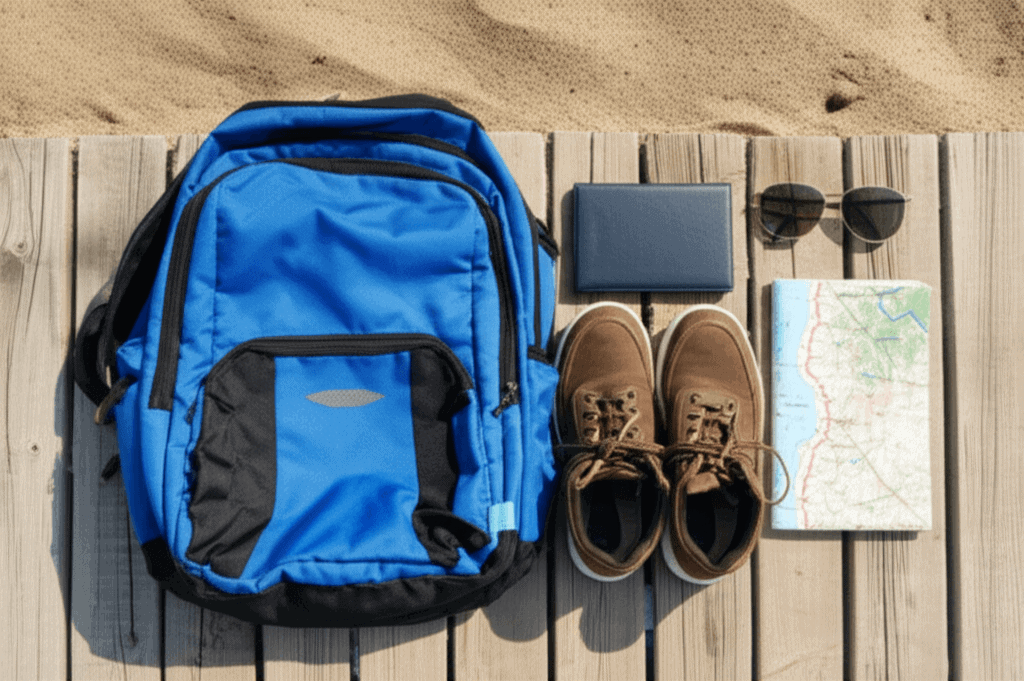
Traveling at any stage of life requires making choices that suit your pace, preferences, and physical needs. Whether you select a leather weekender bag, a vintage field camera, or a dependable pair of walking shoes, the equipment you choose impacts your comfort and confidence during your journey. This article examines how both classic gear and modern tools can work together to ensure travels are enjoyable and manageable for people of all ages.
We will outline specific gear options, sensible safety measures, and hands on packing and maintenance methods that focus on practical comfort and reliable performance. Expect real world examples, checklist style tips, and advice on where to find well made vintage pieces that pair well with current conveniences.
Practical Gear Choices for Journeys at Any Age
Start with items that have a proven track record for comfort and longevity. For many travelers that means materials and designs that stand up to repeated use without fuss. Examples include full grain leather bags with reinforced stitching, mechanical watches that do not need daily charging, and wool layers that regulate temperature.
- Bags Choose something with multiple access points and a stable base so it won’t topple when set down. A shoulder strap with padding and a removable crossbody strap reduces pressure on one side.
- Shoes Prioritize support and a reasonable break in period. Leather or high quality canvas with cork or molded insoles adapts to the foot over time and tends to be resilient.
- Outerwear Seek classic cuts with functional elements such as pit zips or storm flaps. A vintage waxed jacket can be waxed again to revive water resistance and maintain flexibility.
- Accessories Small items such as compression socks for long transfers, a compact travel pillow, and a durable water bottle yield immediate comfort benefits.
How Vintage Gear Fits Modern Travel Needs
Vintage items often offer quality that is missing in mass market goods. A mid century camera, for example, may provide a tactile shooting experience and durable construction that outlasts many contemporary alternatives. Besides build quality, older gear often has repairable parts, which is helpful when you are away from home.
When selecting vintage, check for common wear points. For bags inspect rivets, linings, and zippers. For mechanical items confirm moving parts are lubricated correctly and that replacement parts remain available. A simple cleaning and a light service can extend life considerably.
Evaluating condition and value
Ask sellers about service history and any restorations. If possible, test items under conditions similar to travel use. For example, handle a bag full of weight to feel the strap distribution and test closures several times to verify smooth operation.
Smart pairings of old and new
Combine classic items with small modern conveniences. A vintage suitcase can be fitted with a discreet luggage tracker for location updates. Mechanical watches go well with a smartphone used only for maps and essential calls, preserving the tactile feel of the watch while adding modern communication benefits.
Safety and Security Tips for Older Travelers
Safety planning is about small routines that reduce stress and increase readiness. Simple practices lower risk and make trips more enjoyable. Below are practical steps to adopt before and during travel.
- Document copies Keep photocopies or scanned images of passports and important documents stored separately from originals and in an encrypted cloud folder if possible.
- Medication planning Pack medications in original containers with labels. Carry an extra week supply in case of delays and a small list of generic names in case you need replacements abroad.
- Local contacts Identify a nearby clinic or pharmacy at each destination and save the contact details in your phone and a paper note.
- Secure storage Use interior bag compartments with zippers and consider a small travel lock for checked luggage. Wear a discreet money belt for crowded areas.
Medical and medication management
Create a simple one page medical summary that includes chronic conditions, allergies, and emergency contacts. Share that summary with a trusted travel companion and carry a copy tucked in a reliable pocket. If you have a complex regimen, ask a pharmacist to prepare a day by day pill organizer to reduce mistakes.
Communication and emergency plans
Set up a short plan for what to do if you become separated from a companion or lose your phone. Mark two meeting points in cities, choose a couple of public places where help is easy to find, and maintain a printed list of emergency numbers. Small rehearsed steps reduce panic and speed recovery.
Balancing Style and Function in Classic Equipment
Style need not compromise usability. Many vintage items achieve an attractive look while remaining fully functional. Choose items where design features serve practical purposes. A button flap on a satchel secures contents more reliably than a shallow magnetic closure. Visible stitching indicates places that can be repaired rather than trimmed away.
- Color and maintenance Darker tones hide scuffs while light linings make it easier to find small items. Waxed finishes can be refreshed at home with minimal effort.
- Fasteners and closures Buckles and d-rings last longer than glued seams. They are often easier to replace at a cobbler or leatherworker.
- Leather care A small tin of wax and a soft cloth will keep leather supple. Test any product on an internal seam to confirm colorfastness.
Packing Strategies to Reduce Stress and Increase Comfort
Packing is both a science and a routine. Using consistent methods saves time and avoids forgotten items. Keep a running checklist that you update after each trip so lessons are recorded and improvements retained.
- Modular packing Use small pouches for electronics, toiletries, and paperwork. One pouch per category speeds security checks and keeps items accessible.
- Layering system Choose garments that stack well for changing weather. Lightweight merino or wool base layers paired with a medium weight mid layer and a protective shell cover most climates.
- Weight distribution Place heavier items closer to the spine of your bag to reduce strain and improve posture when carrying.
Where to Find and Maintain Vintage Gear
Great finds often come from diverse places. Local flea markets, specialized online marketplaces, and small independent shops each offer different strengths. Vintage stores often have items that have been inspected and sometimes lightly serviced. If you prefer a deeper look at the topic there is a well written piece that goes into detail and lists resources you can consult to compare options and vendors. You can explore this topic and learn how others approach restoration, sourcing, and thoughtful upkeep.
- Inspection tips Look for consistent patina and stitching that has not been cut. Smells like mildew indicate deeper issues that may be costly to remove.
- Local craftspersons Learn a few trusted repair contacts. Small repairs can extend the life of a bag or jacket significantly and are usually less expensive than replacing the item.
- Simple home maintenance Keep a small maintenance kit with spare buckles, a sewing awl, and leather conditioner for on the go fixes.
Tech Additions that Complement Classic Choices
Integrating a few modern aids keeps travel convenient without overshadowing the charm of older items. Choose unobtrusive gadgets that support reliability and safety.
- Power A small high capacity battery pack keeps devices usable for longer stretches. Pick one with multiple ports so everyone can charge at once.
- Tracking A compact luggage tracker tucked into a bag can save hours of worry if bags are misplaced by carriers.
- Health monitoring A simple wearable that measures steps and heart rate can help maintain an appropriate activity level during long days of exploration.
Plan to test tech pairings before travel. If you will pair an old film camera with a smartphone for location tagging, run through the workflow at home so you know the steps for saving and syncing images without relying on spotty connections abroad.
Travel quality is about matching equipment to personal needs and routines. Vintage possessions offer a sensory and functional appeal that modern items sometimes lack. When combined with a few current conveniences and clear habits, these choices support enjoyable trips that respect comfort, reliability, and personal style.
Conclusion
Choosing gear for journeys at any age is a personal process that rewards patience and careful selection. Prioritize items that feel good to use and can be repaired locally. Adopt simple safety routines such as medication organization, document backups, and local contact lists. Mix classic pieces with a few modern helpers to keep travel practical and pleasant. Before buying vintage items check wear points, ask about repair histories, and if possible test items under realistic loads. A small maintenance kit and a few reliable repair contacts will keep favorite pieces in service for years. If you are ready to explore sourcing and upkeep options in more depth, follow a trusted resource, make a short plan for your next trip, and start with one well chosen item that reflects both comfort and function. Take action now by reviewing your current gear, listing one item to replace or restore, and setting a modest budget to make that change. Your next trip can feel less stressful and more satisfying with just a few deliberate choices and a little preparation.